Optimal Timing for Sprinkler Winterization
Proper timing for sprinkler winterizations is crucial to prevent damage caused by freezing temperatures. The optimal period typically occurs when nighttime temperatures consistently drop below freezing, usually in late fall. Performing winterizations before the first hard frost ensures that water is fully drained from the system, reducing the risk of pipe bursts and system failure during cold weather.
Scheduling winterizations early in the fall allows for a thorough drain of the system before temperatures drop significantly.
Timing should align with local weather patterns, ideally after the first frost but before prolonged cold spells.
Completing winterizations before the first hard freeze minimizes the risk of damage during unexpected cold snaps.
Waiting too long can result in water remaining in pipes, increasing the likelihood of freezing and cracking.
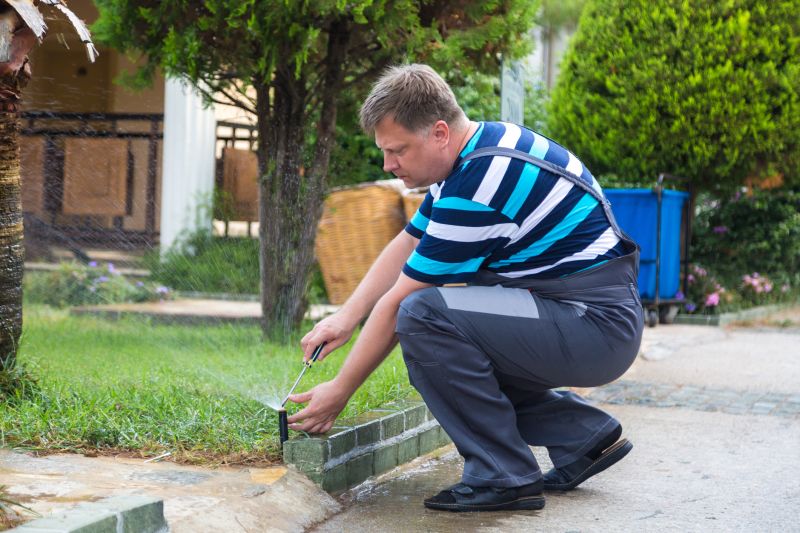
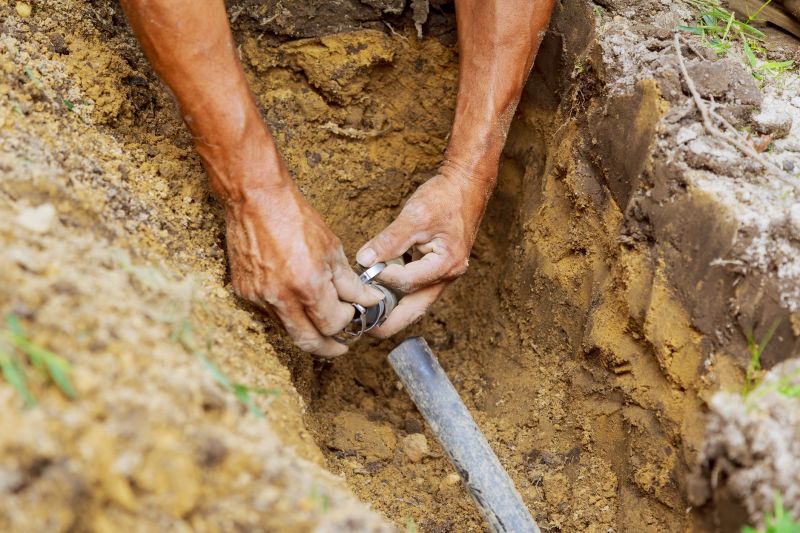
Technicians preparing sprinkler systems for winterization in fall.
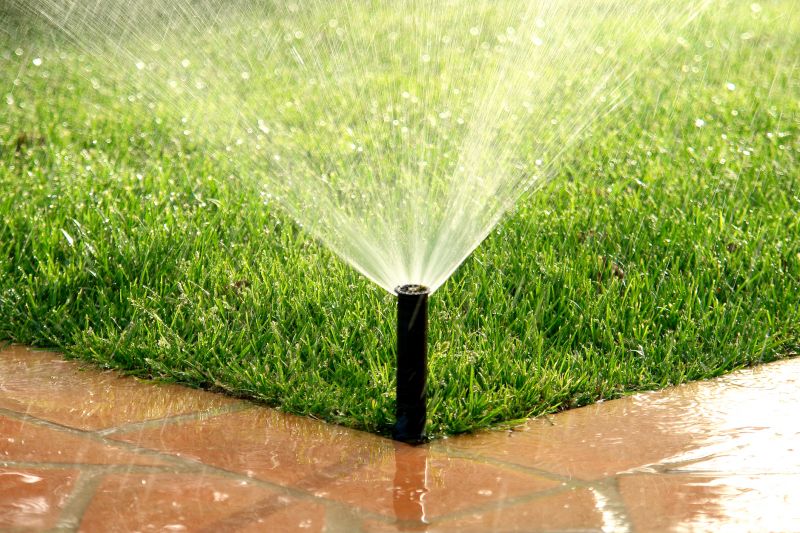
Water is being drained from the sprinkler pipes to prevent freezing damage.
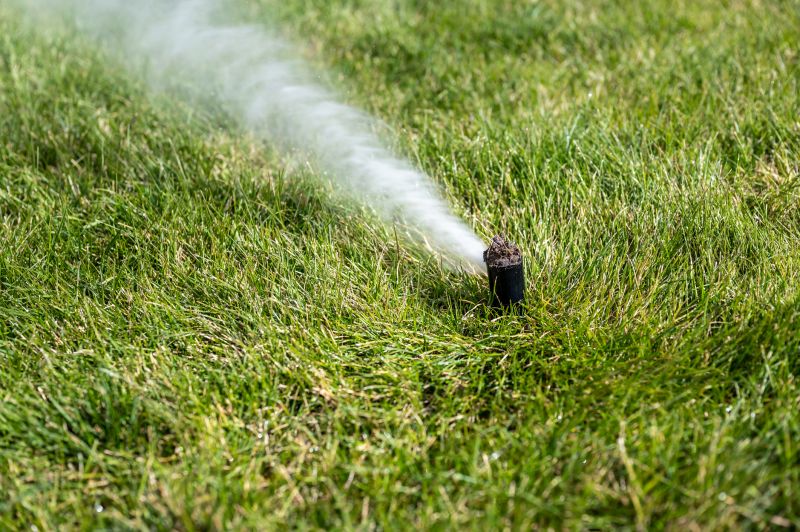
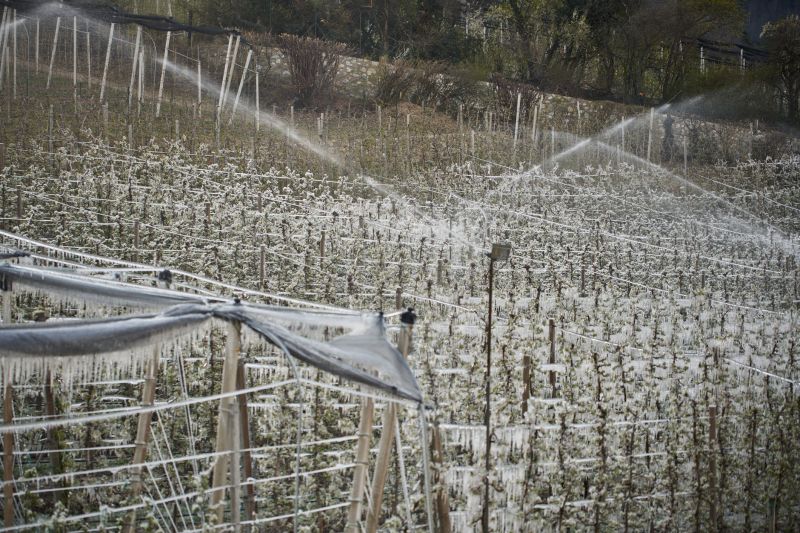
A fully drained and protected sprinkler system ready for winter.
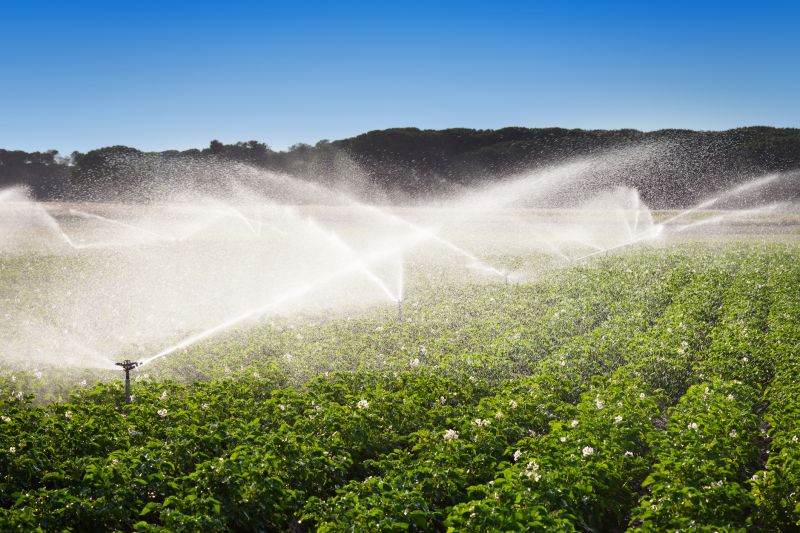
Ways to make Sprinkler Winterizations work in tight or awkward layouts.
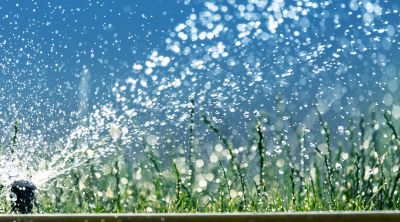
Popular materials for Sprinkler Winterizations and why they hold up over time.
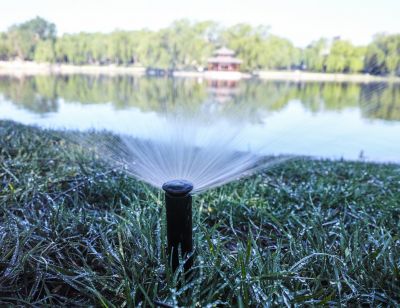
Simple add-ons that improve Sprinkler Winterizations without blowing the budget.
| Timing Consideration | Recommended Action |
|---|---|
| First Frost | Schedule winterization soon after the first frost occurs. |
| Consistent Freezing Temps | Complete winterization before temperatures stay below freezing overnight. |
| Late Fall | Ideal period is late October to early November, depending on local climate. |
| Unpredictable Weather | Monitor weather forecasts to avoid delays during unexpected cold snaps. |
| Extended Cold Periods | Ensure winterization is completed before prolonged cold spells begin. |
| Regional Variations | Timing may vary based on geographic location and climate patterns. |
Sprinkler winterizations are essential for protecting irrigation systems during cold months. These procedures involve draining water from pipes, valves, and sprinklers to prevent freezing and cracking. Properly winterized systems reduce repair costs and extend the lifespan of irrigation infrastructure. Statistics indicate that delaying winterization can lead to up to 30% more damage in freezing conditions, emphasizing the importance of timely action.
Optimal timing ensures systems are protected before the onset of severe cold. Annual winterizations help maintain system integrity, reducing downtime and repair expenses in the following season. Professionals recommend scheduling these services during the late fall, ideally after the first frost but before sustained freezing temperatures set in.
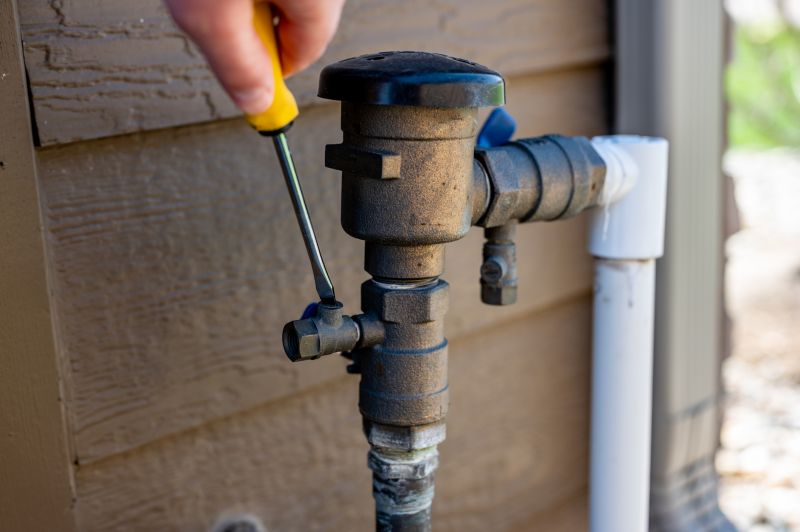
Tools and equipment used for draining and protecting sprinkler systems.
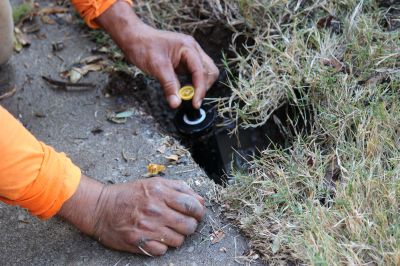
Systematic removal of water to prevent ice formation.
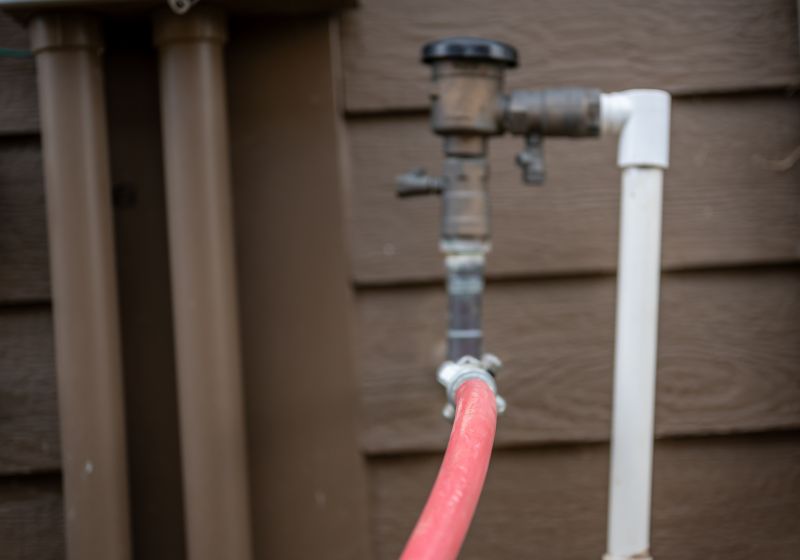
A system fully prepared for winter conditions.
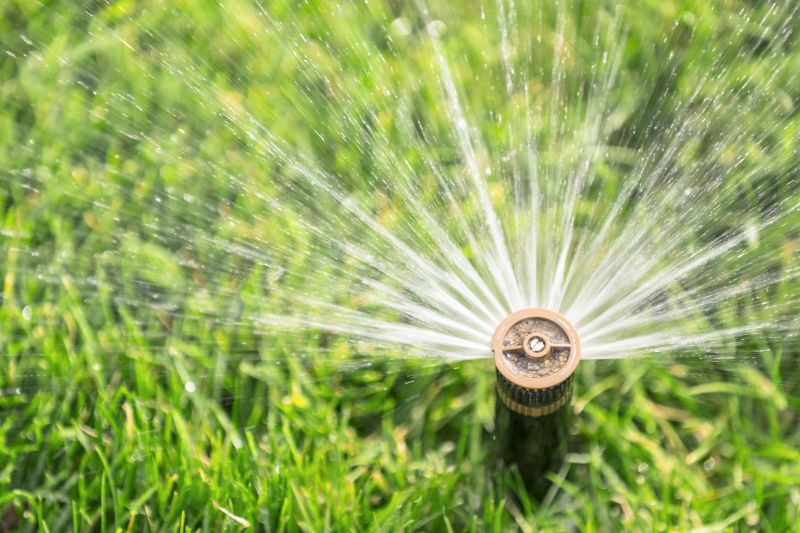
Finishes and colors that play nicely with Sprinkler Winterizations.
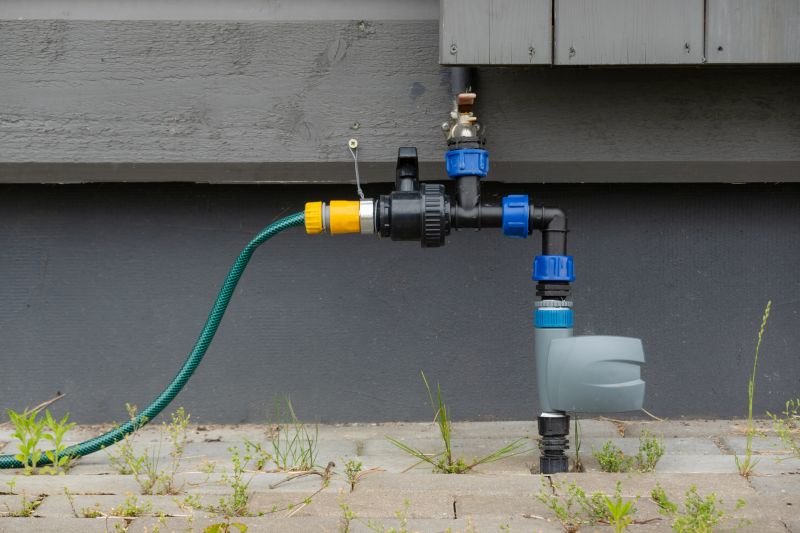
Little measurements that prevent headaches on Sprinkler Winterizations day.
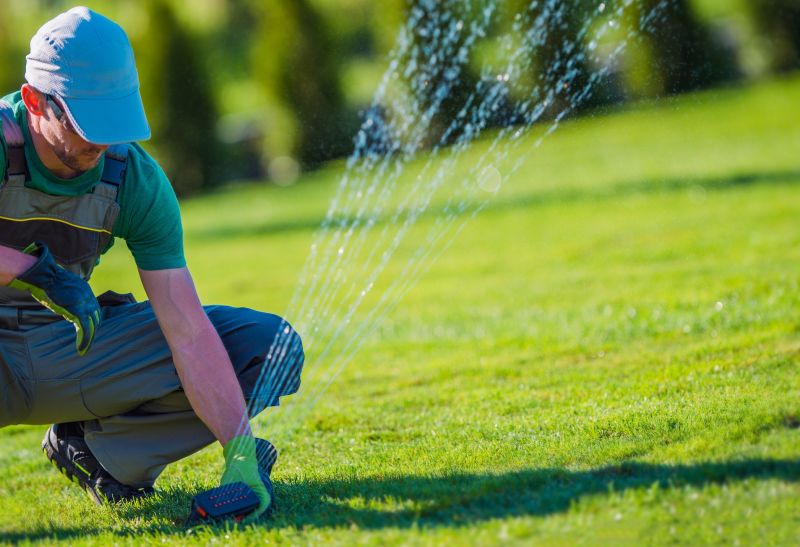
A 60-second routine that keeps Sprinkler Winterizations looking new.
A frequent mistake in Sprinkler Winterizations and how to dodge it.
Small tweaks to make Sprinkler Winterizations safer and easier to use.
Interested in scheduling sprinkler winterizations? Filling out the contact form can provide more information and help plan the service at the optimal time for specific regional conditions.